GLP-1 medications such as Ozempic, Wegovy, Mounjaro, and Zepbound can help you lose a lot of weight, but not all of that weight is fat. In clinical trials, a meaningful share of the weight lost was lean mass, which includes muscle. The good news is that the two habits that protect muscle are well established: strength training several times a week and eating enough protein. This guide explains how much muscle is at stake, why it matters, and how to track whether your weight loss is protecting it.
Do GLP-1 Medications Cause Muscle Loss?
GLP-1 medications reduce appetite, which creates a calorie deficit. In any calorie deficit, your body draws on both fat and lean tissue for energy, and GLP-1s are no exception. The medication itself isn't uniquely bad for muscle; it simply produces a large deficit, and without a reason to keep muscle, your body gives some of it up along with fat.
The clinical trials measured this with body composition scans:
| Trial | Medication | Share of weight lost that was lean mass |
|---|---|---|
| SURMOUNT-1 | Tirzepatide (Mounjaro, Zepbound) | About a quarter |
| STEP 1 | Semaglutide (Wegovy, Ozempic) | Close to 40% |
Lean mass includes muscle, organs, and water, so these numbers don't translate one-to-one into muscle lost. But they show why muscle deserves attention: in trials where people lost 15–20% of their body weight, a substantial part of that loss wasn't fat.
Why Muscle Matters on a GLP-1 (and After)
Muscle isn't just about how you look. It supports strength, balance, and posture, helps regulate blood sugar, and muscle strength is closely linked to healthy aging. It's also far easier to keep than to rebuild later.
It matters again if treatment ends. In the STEP 1 trial extension, people who stopped semaglutide regained about two-thirds of the weight they had lost within a year. Keeping muscle during treatment, and building the habits that protect it, is one of the few things in your control that supports your results long term.
That's why a 2025 joint advisory from four medical and nutrition societies (Mozaffarian et al., 2025) lists preserving muscle and bone through resistance training and an appropriate diet among the priorities for people on GLP-1 therapy.
How to Keep Muscle on a GLP-1
Strength Train Regularly
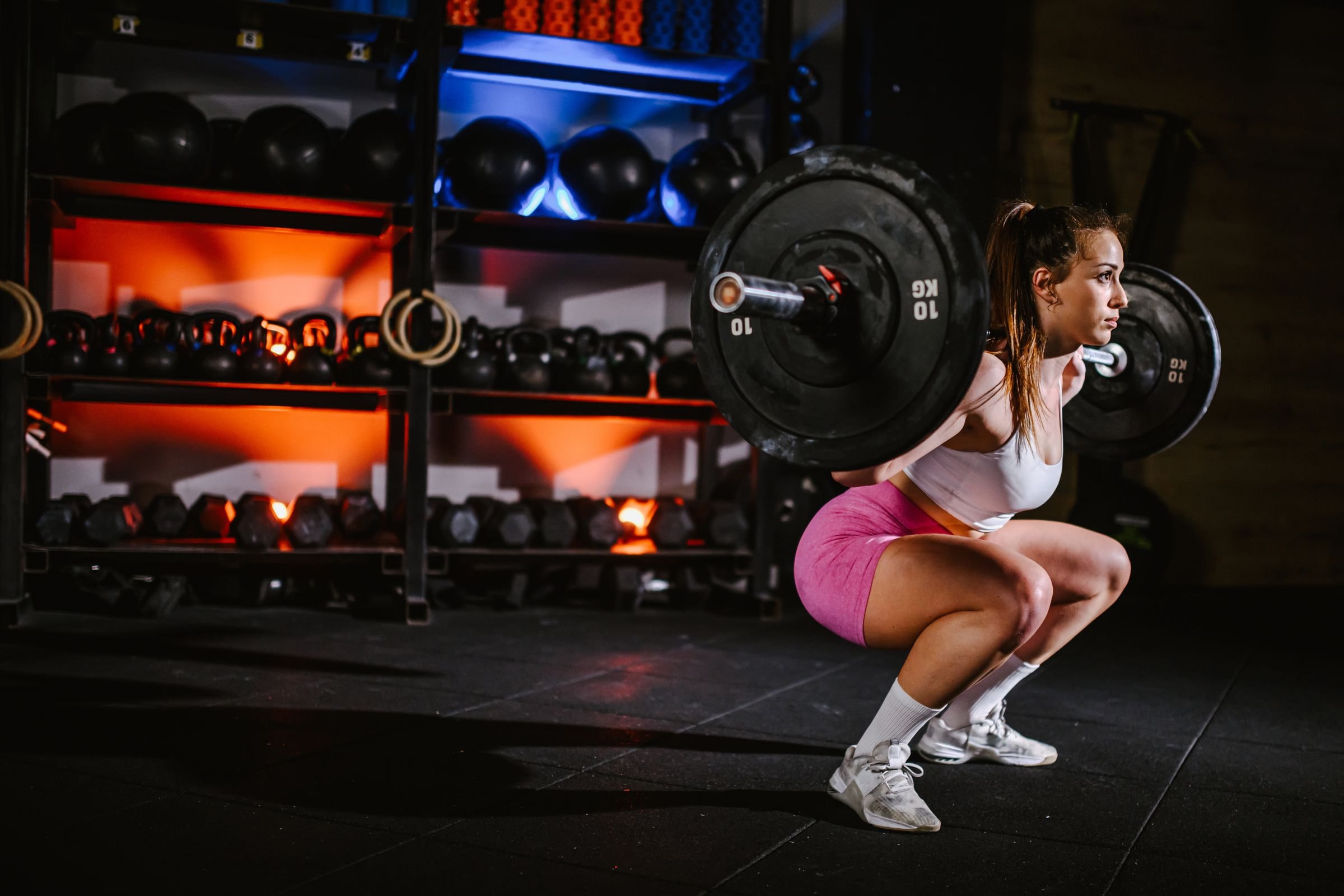
Resistance training is the main signal that tells your body to keep its muscle.
General physical activity guidelines call for at least two strength sessions a week that work your major muscle groups (legs, back, chest, shoulders, arms, and core), and the 2025 GLP-1 advisory suggests aiming for three or more, alongside about 150 minutes of moderate aerobic activity. Walking and other cardio are great for your heart and recovery, but they don't send the same muscle-preserving signal.
Progress gradually. Adding a little weight or a few reps over time (progressive overload) gives your muscles a reason to adapt, even while you're losing weight.
Eat Enough Protein
Appetite drops on a GLP-1, and protein often drops with it. The 2025 joint advisory notes that targets of about 1.2 to 1.6 grams of protein per kilogram per day have been proposed during active weight loss, and that the right body weight to base it on isn't settled. That's another reason to set your target with your healthcare provider or a registered dietitian, especially if you have kidney disease or other conditions.
When your appetite is low, prioritize protein first at each meal, then fill in with vegetables, fruit, and whole grains. Spreading protein across your meals makes it easier to reach your target.
Watch Your Pace
Faster isn't always better. The CDC notes that people who lose weight gradually, at about 1 to 2 pounds a week, are more likely to keep it off (CDC). If you're losing much faster than that, talk with your provider about whether your pace is right for you.
Protect Your Recovery
Sleep and recovery are when your body repairs and builds muscle after training. A calorie deficit can make recovery harder, so it's worth paying closer attention to sleep and recovery while you're on a GLP-1.
How to Track Muscle-Safe Progress in FITIV
No consumer app can measure muscle directly; a body composition scan such as DEXA is what estimates how much lean mass, including muscle, you're losing. What FITIV helps you track are the habits and signals that protect muscle, all in one app.
- Your medication and results. Log your doses on the GLP-1 Medication card. After each dose, the Results card shows your weight change along with your average protein and calories from Apple Health, so you can see whether protein is keeping up as your appetite changes. FITIV reads protein from Apple Health, so any food-logging app that writes protein there shows up automatically.
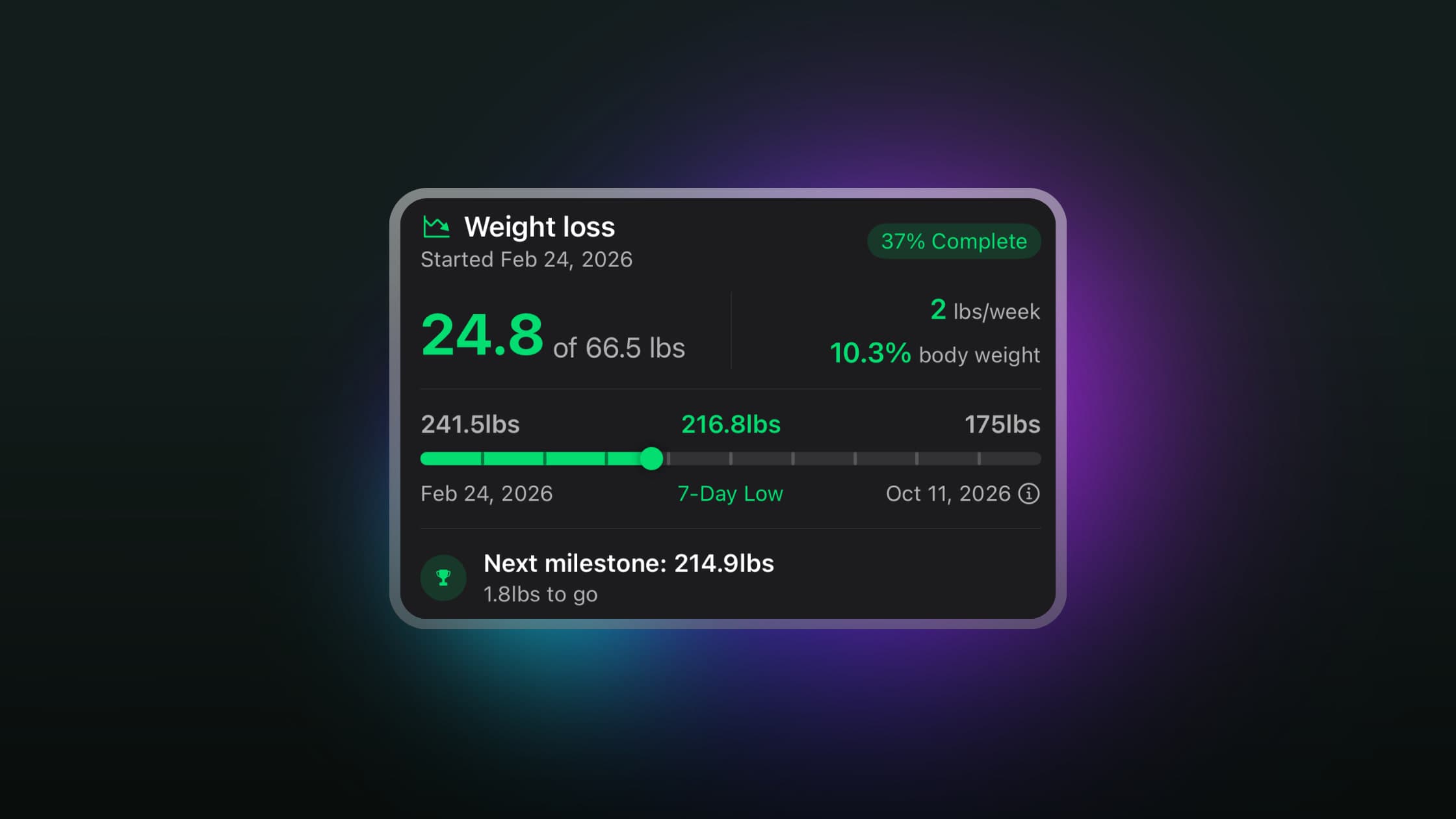
- Your pace. In Weight Management, set a goal and a weekly pace. FITIV's smoothed 7-day trend shows whether you're actually on pace, and your goal card shows your actual pace per week and how much of your body weight you've lost so far.
- Your strength. Log your sets, reps, and weights on iPhone or Apple Watch with strength templates. You can log reps in reserve (RIR) for each set, and in the iPhone app FITIV can suggest your next weights and reps with Apply Progressive Overload, based on your recent sessions. Steady or rising numbers on your key lifts are a practical sign you're holding on to strength.
- Your training. Your workout heart rate counts toward your daily Strain and your training load, so you can see that strength sessions are part of your week, not just cardio.
- Your insights. Optional GLP-1 Insights look at your doses, weight trend, side effects, and recent workouts, including whether you've been strength training.
What good looks like: your weight trend is moving at a pace you and your provider are comfortable with, your average protein is close to your target on most days, you're strength training at least twice a week, and your key lifts are holding steady or improving.
Common GLP-1 Muscle Mistakes (and How to Fix Them)
Mistake: judging progress only by the scale. Fix: track strength on one or two key lifts, like a squat or a row, alongside your weight. Steady or improving strength is a better sign you're losing fat, not muscle, than the scale alone.
Mistake: assuming less appetite means less protein. Fix: protein needs don't drop just because your appetite does. Check your average protein for a week or two to see whether you're actually reaching your target.
Mistake: replacing strength training with cardio. Fix: keep cardio for your heart and recovery, but make strength training the habit you don't skip.
Mistake: having no plan for after the medication. Fix: build your protein and strength habits now, while the medication is doing part of the work, so they're already automatic if your dose changes or treatment stops.
Mistake: pushing hard when your body is run down. Fix: a calorie deficit makes recovery harder. On days your Training Readiness is low, keep the session lighter rather than skipping strength work for the week.
This guide is general information, not medical advice. Talk with your healthcare provider about your medication, nutrition, and exercise plan, and see them if you notice ongoing weakness, dizziness, or other changes that concern you.
Frequently Asked Questions
Do GLP-1 medications cause muscle loss?
GLP-1s cause weight loss through a calorie deficit, and some of the weight lost in any deficit is lean mass, which includes muscle. In clinical trials, lean mass made up roughly a quarter to close to 40% of the weight lost. Strength training and enough protein help protect it.
How much protein should I eat on a GLP-1?
A 2025 joint advisory from four medical and nutrition societies notes that about 1.2 to 1.6 grams of protein per kilogram per day has been proposed during active weight loss, though the right body weight to base it on isn't settled. Your healthcare provider or a dietitian can set the right target for you.
How often should I strength train on Ozempic, Wegovy, or Mounjaro?
General guidelines call for at least two strength sessions a week, and the 2025 GLP-1 advisory suggests three or more, working your major muscle groups and adding weight or reps gradually over time. Walking and cardio are great additions, but they don't replace strength training for keeping muscle.
How can I tell if I'm losing muscle on a GLP-1?
Only a body composition scan such as DEXA can estimate how much lean mass, including muscle, you're losing. Day to day, a practical sign is your strength: if your key lifts hold steady or improve while your weight drops, it's a good sign your training is protecting your muscle.
Will I regain weight after stopping a GLP-1?
Regain is common. In the STEP 1 trial extension, people who stopped semaglutide regained about two-thirds of the weight they had lost within a year. Building muscle-protecting habits during treatment is one of the few things in your control that supports your results.
Can FITIV track my GLP-1 medication and strength training together?
Yes. FITIV tracks your doses, side effects, and per-dose Results (including protein from Apple Health) alongside your strength workouts, weight trend, Strain, and training load, and optional GLP-1 Insights consider whether you've been strength training.